We were on a ten-minute drive to the grocery store. My little daughter asked to come along, so I put her in the passenger seat and, because kids love games, we invented one: one question, one answer. No opinions. No follow-ups. Just a single question, a single answer.
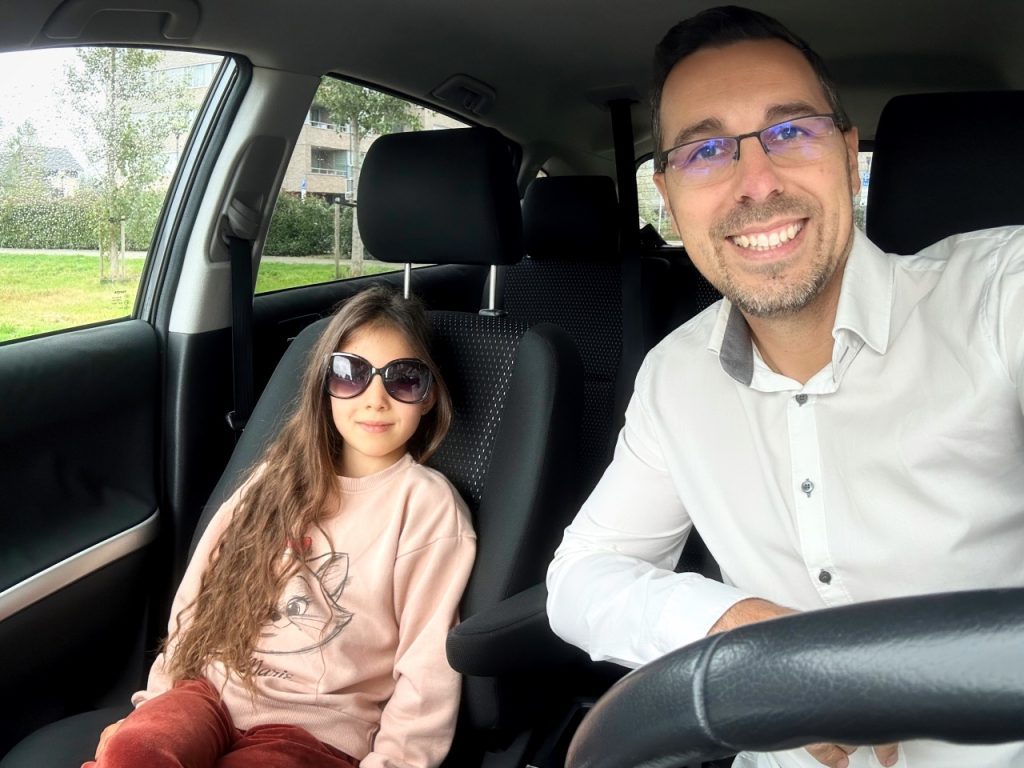
She went first.
“What’s the most important thing for you on earth?” she asked.
For a moment I was paralyzed. A seven-year-old asking the man who’s supposed to have all the answers. I felt exposed — weak, even — because I didn’t have an instant, heroic reply. I let the silence sit. I thought. I breathed.
And then I answered honestly:
“To be a good role model for you and your siblings. That’s the most important thing to me.”
Not career. Not rewards. Not money. To model a life they can carry forward.
She thought about it for a beat, then surprised me with her answer:
“I want less littering in nature — so we can keep it beautiful.”
Simple. Big-hearted. Clear.
Then she asked:
“What’s the most important thing for you at work?”
This time my answer arrived faster:
“To help bring human leadership back into everyday work — to remind people how powerful they are.”
Purpose, not prestige.
Her last question came from the small, brave part of her that’s learning how to belong:
“How do you make new friends, Dad?”
I almost cried. I told her what I felt:
Start from genuine care and curiosity, without expectations. Look for small shared things you both like. Keep showing up. Let the friendship grow.
That ten-minute ride left me quieter and clearer than a week of strategy sessions. A seven-year-old had given me a mirror I didn’t know I needed.
Why this matters for leaders
Leaders are asked to move fast, to decide, to inspire. We build roadmaps, set KPIs, chase horizons. But this tiny car-game reminded me of three truths:
Clarity begins with the simple question. When we can’t answer “What matters most?” we’re vulnerable to distraction. Great leadership starts with a simple, honest answer to the right question — not another plan.
Presence beats performance. My daughter’s questions invited presence. They demanded honesty, not spin. Leaders who can slow down and answer what truly matters — to themselves and to their people — lead from conviction, not from script.
Modeling matters more than messaging. I tell clients to lead as if their children were watching — because they are. The behaviors you embody create a culture far faster than any policy ever will.
A small exercise (do it in your next car ride, meeting, or walk)
Ask one colleague or family member: “What’s the most important thing for you right now?” Give them one question, one answer. Then share your own. No notes. No follow-ups. Just listening.
Two questions to sit with
What is the single most important thing for you on this entire earth?
What is the single most important thing for you at work?
Answer them honestly. Write them down. Leave them where you’ll see them.
Love,
Laszlo